
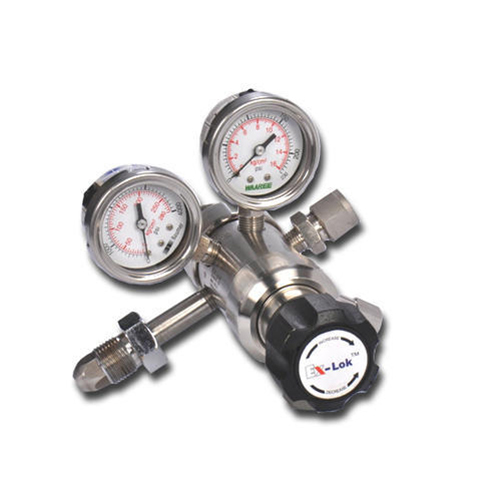

Double stage gas regulators are critical components in various industries, ensuring the precise control of gas pressure for a wide range of applications. While they might not always be in the spotlight, their role is undeniable in maintaining safety, efficiency, and consistency in gas distribution and utilization. In this comprehensive guide, we will explore the world of double stage gas regulators, delving into their functions, types, advantages, installation, maintenance, and the crucial role they play in numerous sectors.The Science of Precise Pressure Control
Double stage gas regulators are designed to control gas pressure with a high level of accuracy, making them essential in applications where precise pressure control is paramount. They serve industries ranging from manufacturing and healthcare to energy and aerospace, ensuring that gas flows at the right pressure to support various processes. While often hidden from plain sight, double stage gas regulators are the guardians of safe and efficient gas utilization.
Understanding Double Stage Gas Regulators
Double stage gas regulators, also known as two-stage pressure regulators, are specialized devices that reduce high-pressure gas to a lower, more manageable level. These regulators work in two stages, with the first stage reducing the gas pressure to an intermediate level and the second stage providing fine control to reach the desired outlet pressure. Their primary functions include:
Safety: By reducing high-pressure inputs to safer levels, they prevent over-pressurization and associated hazards.
Consistency: Double stage regulators maintain a stable outlet pressure, ensuring that downstream equipment operates consistently and accurately.
Efficiency: They prevent damage to sensitive instruments and equipment, reduce gas waste, and contribute to energy efficiency.
Types of Double Stage Gas Regulators
Double stage gas regulators come in various types, each designed for specific applications. Let’s explore some of the most common types:
- Gas Pressure Regulators
Double stage gas pressure regulators are widely used in industries such as gas distribution, manufacturing, and aerospace. They are designed to provide precise control over gas pressure, ensuring the safe and efficient operation of equipment.
- Oxygen Regulators
Oxygen regulators with a two-stage design are commonly used in medical and cutting applications. They enable precise control of oxygen pressure, which is crucial in healthcare and metal cutting.
- Hydraulic Pressure Regulators
Double stage hydraulic pressure regulators are used in hydraulic systems to maintain consistent pressure levels. They protect hydraulic components and machinery from over-pressurization.
- Water Pressure Regulators
Double stage water pressure regulators are essential for residential and commercial plumbing systems. They reduce high water pressure from the main supply to protect pipes, fixtures, and appliances.
The Installation Process
Proper installation of double stage gas regulators is essential to ensure their safety and efficiency. Installation should be performed by qualified professionals who understand the specific requirements of the application. Here’s an overview of the installation process:
Site Assessment: Before installation, technicians assess the site and its requirements. Factors such as gas load, pressure, accessibility, and safety considerations are evaluated.
Regulator Selection: Based on the site assessment, the appropriate type and size of the double stage gas regulator are chosen to meet the specific needs.
Piping Installation: Pipes or tubing are installed or connected to the regulator, ensuring secure and leak-free connections.
Regulator Installation: The double stage gas regulator is securely attached to the piping system, and all connections are rigorously tested for leaks.
Safety Checks: After installation, comprehensive safety checks are performed to ensure that the system operates safely and efficiently without any risks.
Regular Maintenance and Safety
Regular maintenance of double stage gas regulators is crucial for ensuring their accuracy and safety over time. Routine tasks include:
Visual Inspection: Periodic checks for visible damage, wear, or any signs of leaks around the regulator.
Cleaning: Keeping the regulator clean and free from debris is crucial for maintaining accurate pressure control.
Calibration: Regular calibration ensures that the double stage gas regulator continues to provide precise pressure control.
Leak Detection: Implementing a robust leak detection system is essential to swiftly identify and address any gas leaks, ensuring the safety of the installation.
Advantages of Double Stage Regulators
Double stage gas regulators offer several advantages:
Precise Control: They provide accurate and stable pressure control, ensuring that equipment and processes operate consistently and safely.
Safety: With two pressure reduction stages, they offer an additional layer of safety by preventing over-pressurization.
Energy Efficiency: By maintaining the desired pressure, they prevent energy waste and contribute to energy efficiency.
Wide Range of Applications: Double stage regulators are versatile and used in various industries, from healthcare to manufacturing.
Customization: Manufacturers often offer customization options to tailor regulators to specific applications and industry needs.
In Conclusion
Double stage gas regulators may not always take center stage, but they are indispensable in applications where precise pressure control is essential. Understanding the different types of regulators, the installation process, maintenance requirements, and their role in ensuring safe and efficient gas utilization is crucial for both consumers and professionals.