
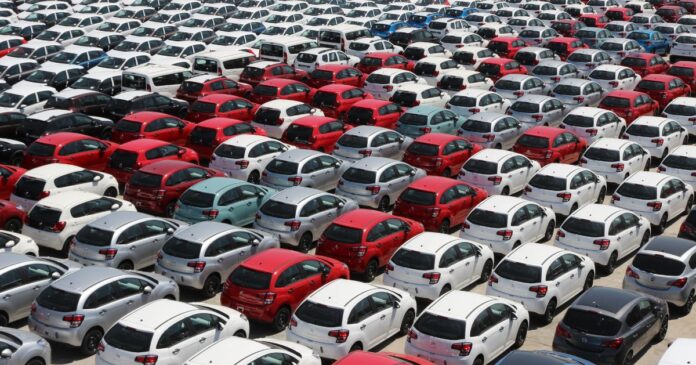

The automotive market in Ecuador has witnessed considerable growth in recent years, reflecting rising consumer demand, economic development, and government initiatives to promote the automotive industry. With the size of the market expanding significantly in 2023, the Ecuadorian automotive sector is expected to continue its growth trajectory, with an estimated Compound Annual Growth Rate (CAGR) of 2.70% projected during the period of 2024-2032. This growth underscores the increasing importance of the automotive industry in Ecuador’s economy and its role in meeting the transportation needs of the population.
Market Overview
The automotive market in Ecuador encompasses a wide range of vehicles, including passenger cars, commercial vehicles, and two-wheelers, catering to the diverse transportation requirements of consumers and businesses across the country. As one of the fastest-growing economies in Latin America, Ecuador has experienced rapid urbanization, improving infrastructure, and rising income levels, driving demand for automobiles for personal and commercial use. Additionally, government policies aimed at modernizing the transportation sector and expanding access to affordable vehicles have further fueled market growth.
Market Dynamics
Several factors contribute to the dynamics and growth of the automotive market in Ecuador:
- Increasing Urbanization and Mobility Needs: As Ecuador’s urban centers continue to expand, the demand for personal transportation solutions has increased. Rising urban populations, improved road networks, and changing lifestyles have led to a growing preference for owning private vehicles, particularly among middle-class consumers. Additionally, the need for efficient and reliable transportation for commuting, leisure, and business purposes has driven demand for automobiles across urban and rural areas.
- Economic Growth and Disposable Income: Ecuador’s steady economic growth and rising per capita income levels have empowered more consumers to purchase automobiles. As disposable incomes increase, households have greater purchasing power to afford vehicles, driving sales in both the new and used car markets. Additionally, favorable financing options and government incentives, such as tax breaks and subsidies, have made car ownership more accessible to a broader segment of the population.
- Government Policies and Incentives: The Ecuadorian government has implemented various policies and incentives to stimulate the automotive industry and support domestic manufacturing and assembly. Measures such as tariff reductions, import duty exemptions for certain vehicle categories, and investment incentives for automotive companies have encouraged local production, attracted foreign investment, and expanded the availability of affordable vehicles in the market.
- Technological Advancements and Innovation: The automotive industry in Ecuador is experiencing rapid technological advancements, with manufacturers introducing new features, safety systems, and fuel-efficient technologies in their vehicles. The adoption of electric and hybrid vehicles is also gaining traction, driven by environmental concerns, government incentives, and consumer preferences for eco-friendly transportation options. Additionally, digitalization and connectivity features are enhancing the driving experience and influencing consumer purchasing decisions.
Key Players
The automotive market in Ecuador comprises a diverse ecosystem of stakeholders, including:
- Automobile Manufacturers and Assemblers: Domestic and international automotive companies play a significant role in supplying vehicles to the Ecuadorian market. While some manufacturers operate assembly plants within the country, others import vehicles from overseas and distribute them through authorized dealerships and networks.
- Auto Dealerships and Distributors: Authorized dealerships and distributors represent automotive brands and sell new and used vehicles to consumers. These establishments provide sales, financing, after-sales services, and spare parts support, serving as key touchpoints between manufacturers and customers.
- Financial Institutions and Lenders: Banks, financial institutions, and auto financing companies offer vehicle loans, leasing options, and financing packages to facilitate car purchases for consumers and businesses. These financial services enable individuals to afford vehicles through affordable installment plans and flexible repayment terms.
- Government Agencies and Regulatory Bodies: Government agencies, such as the Ministry of Transportation and Public Works, oversee regulations, standards, and licensing requirements related to vehicle registration, road safety, emissions control, and importation procedures. Regulatory compliance ensures the safety, reliability, and environmental sustainability of vehicles operating in Ecuador.
Future Outlook
The outlook for the automotive market in Ecuador remains positive, with sustained growth expected in the coming years. Factors such as urbanization, economic development, and technological innovation will continue to drive demand for automobiles, presenting opportunities for industry stakeholders to expand their presence, introduce new products, and enhance customer experiences. By embracing sustainability, electrification, and digitalization trends, the automotive industry in Ecuador can contribute to the country’s economic prosperity, environmental conservation, and mobility solutions for its citizens.