
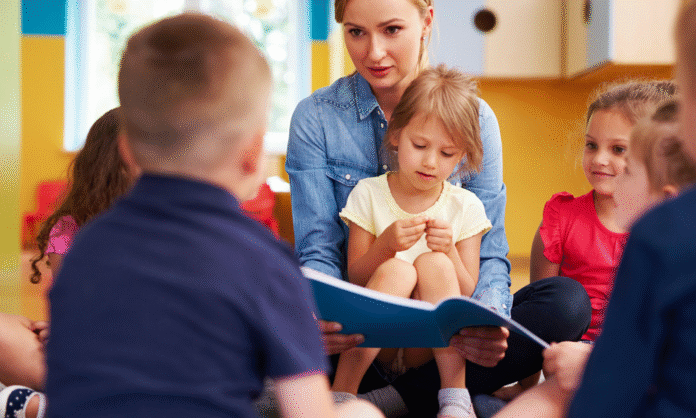

Early childhood is a critical period for brain development, setting the foundation for lifelong learning and cognitive skills. During these formative years, exposure to diverse learning environments plays a significant role in shaping how children think, communicate, and process information. One educational setting that has garnered increasing attention for its positive impact on early development is the bilingual preschool. These institutions offer children the opportunity to learn and engage in two languages simultaneously, fostering unique cognitive benefits that extend well beyond language acquisition.
The Cognitive Benefits of Early Bilingual Exposure
Research consistently shows that children exposed to multiple languages from a young age develop enhanced cognitive abilities compared to their monolingual peers. Attending a bilingual preschool immerses children in an environment where two languages are naturally integrated into daily activities, play, and instruction. This dual-language exposure stimulates critical areas of the brain responsible for attention control, problem-solving, and executive function.
Bilingual children often demonstrate stronger mental flexibility, as they constantly switch between languages, a process known as code-switching. This mental exercise enhances their ability to adapt to new situations, multitask, and filter irrelevant information. Consequently, children who attend bilingual preschools tend to perform better in tasks requiring cognitive control and exhibit greater creativity.
Language Development and Communication Skills
A bilingual preschool offers more than just the ability to speak two languages; it nurtures a deeper understanding of language structure, vocabulary, and cultural nuances. Young learners in these settings develop heightened metalinguistic awareness — the ability to think about and analyze language as an abstract system. This skill is crucial for reading readiness, as it aids in phonological awareness and the understanding of syntax.
Furthermore, bilingual preschool environments promote advanced communication skills. Children learn to listen carefully, interpret meaning from context, and express themselves clearly in both languages. This dual proficiency not only strengthens social interaction but also builds confidence in navigating diverse cultural settings.
Social and Emotional Advantages in a Bilingual Preschool
Beyond cognitive gains, bilingual preschools support social-emotional development by fostering inclusive environments that celebrate linguistic and cultural diversity. Children learn empathy and open-mindedness as they engage with peers from varied backgrounds. This early cultural exposure nurtures a sense of global awareness and respect, traits that are increasingly valuable in today’s interconnected world.
In addition, bilingual preschools encourage cooperative learning and collaborative problem-solving. By participating in group activities conducted in two languages, children develop strong interpersonal skills and emotional intelligence. These experiences contribute to better self-regulation and resilience, supporting overall well-being and academic readiness.
Long-Term Academic and Career Advantages
The benefits of attending a bilingual preschool extend far beyond the early years. Studies have linked early bilingual education to higher academic achievement in later schooling. Children with bilingual foundations often demonstrate superior reading comprehension, vocabulary acquisition, and analytical thinking skills in multiple subjects.
Moreover, proficiency in two languages opens doors to expanded career opportunities in an increasingly global economy. Early exposure to bilingual environments cultivates not only linguistic skills but also cultural competence — a key asset for future success in diverse professional settings.
Choosing the Right Bilingual Preschool
Selecting a bilingual preschool requires careful consideration of the program’s curriculum, teaching methods, and cultural environment. High-quality bilingual preschools employ trained educators skilled in immersive language instruction, ensuring children receive consistent and meaningful exposure to both languages. Programs that balance language learning with play-based and social-emotional development tend to produce the most positive outcomes.
Parents should also seek preschools that embrace multicultural values and provide a supportive atmosphere where children feel safe to explore and express themselves. Such environments promote natural language acquisition and help children build confidence from an early age.
Conclusion
A bilingual preschool offers a powerful platform to boost your child’s early cognitive development by combining language learning with comprehensive intellectual, social, and emotional growth. Through immersive dual-language instruction, children develop superior cognitive flexibility, enhanced communication skills, and cultural awareness — advantages that pave the way for lifelong academic success and personal fulfillment. Investing in a bilingual preschool experience is an investment in your child’s future, equipping them with the tools they need to thrive in a diverse and dynamic world.