
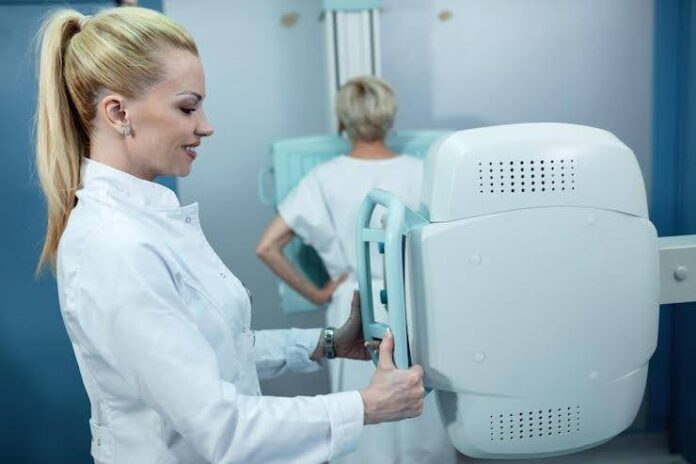

When an emergency occurs, every second counts. In this situation, timely intervention and diagnosis become essential for the patient’s life. Diagnosis of the issues, especially after an accident, is incomplete without X-ray imaging. The traditional fixed X-ray systems often require transporting patients to a radiology department, which is an extra step that can add critical delays when diagnosing fractures, chest injuries, or internal bleeding. However, mobile X-ray systems are now easing things during emergencies. With this, medical teams can make faster decisions, initiate treatments sooner, and improve patient outcomes by bringing the X-ray unit directly to the point of care.
Here is a look at how mobile X-ray units are enhancing emergency diagnosis.
1. X-ray Mobile Helps in Rapid Diagnosis
When a patient arrives in an emergency care setting with signs of serious injury, such as suspected fractures or internal bleeding, then the early diagnosis is paramount. In such a situation, having access to x ray mobile technology on the spot makes a real difference in diagnosis. The patient or their loved ones don’t have to wait a long time for a fixed X-ray room. Instead, emergency teams can position the portable unit right beside the stretcher and capture clear images in seconds. This immediate assessment enables doctors to confirm diagnoses more quickly and initiate the appropriate treatments without delay.
2. Flexible Deployment in Remote Locations
In remote areas, there are rural clinics and field hospitals that often lack full radiology departments, which forces patients to travel long distances for basic imaging. In these areas, a mobile X-ray unit can reach and provide on-site imaging so that patients with accidental cases don’t have to rush to a far location. These X-ray units can be operated on battery and run for hours on a single charge, allowing medical professionals to upload images wherever there’s cellular coverage. This flexibility brings diagnostic power to construction sites, offshore platforms, and remote villages.
3. Reducing Patient Movement and Infection Risks
When a person has multiple injuries, then transporting them for X-ray is a real challenge, as it involves many complexities. Moving patients with fractures, spinal injuries, or compromised immunity increases pain, dislocation risks, and exposure to pathogens. However, X-ray mobile units eliminate the need for patient transfer by delivering imaging services directly to the bedside. This keeps the patient more comfortable and also cuts down on the risk of complications that may occur when they are dealing with multiple injuries and fractures. It can even help maintain strict infection-control protocols if the patient has infectious diseases.
4. The Workflow Advantage of a Mobile X-ray System
In emergency settings, efficiency is the key during the diagnosis. When there is a designated place for the X-ray, the diagnostic workflow may seem to be streamlined, but in reality, it often becomes a bottleneck, which causes significant delays in X-ray imaging and its results. However, the integration of a mobile X-ray system significantly streamlines the diagnostic workflow. Modern digital units offer instant image previews, which can be wirelessly sent to the hospital’s Picture Archiving and Communication System (PACS). This means that radiologists and specialists can view the images immediately from any workstation, which allows for a swift and collaborative diagnostic process.